
In today’s complex regulatory landscape, maintaining legal compliance is not merely a legal obligation but a fundamental aspect of responsible business operation. Companies must actively ensure that all personnel understand and adhere to the laws, regulations, and internal policies relevant to their roles. A consistent and robust focus on compliance awareness helps mitigate risks, prevent legal penalties, and uphold an organization’s reputation and integrity. It requires a deliberate, ongoing effort to educate employees and embed ethical practices into daily operations.
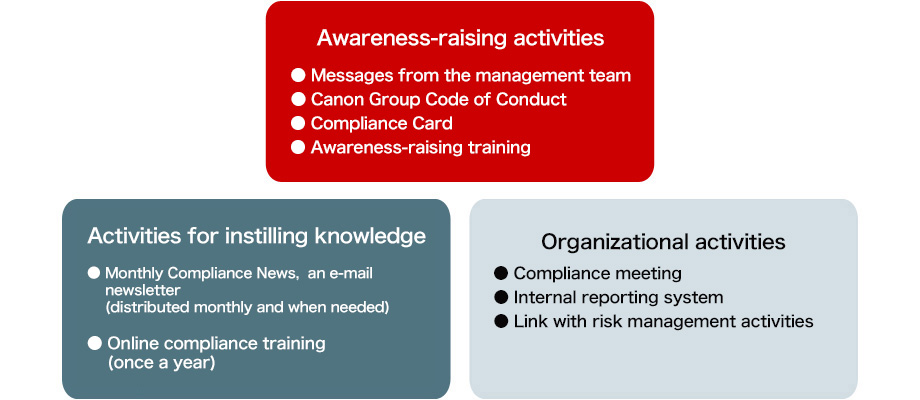
Overview
- Cultivating an organizational culture that prioritizes legal adherence from the top down.
- Establishing regular and relevant training programs tailored to different employee roles and responsibilities.
- Developing systematic processes to track, interpret, and respond to changes in applicable laws and regulations.
- Leveraging technological tools and platforms to streamline compliance activities and information dissemination.
- Encouraging open communication, questions, and anonymous reporting channels for potential compliance concerns.
- Conducting periodic internal and external assessments to measure the effectiveness of compliance efforts and understanding.
- Ensuring that policies and procedures are clearly documented, accessible, and regularly updated for all staff.
Fostering a Proactive Culture of Compliance Awareness
Building a strong foundation for legal compliance awareness starts with the organizational culture. Leadership must champion ethical conduct and demonstrate an unwavering commitment to legal adherence. This commitment sets the tone for the entire workforce, signaling that compliance is a core value, not just a set of rules. Clear communication from management about the importance of integrity, transparency, and accountability helps embed these principles into daily operations. Organizations should establish accessible policies that articulate expected behaviors and legal obligations, making it easy for employees to understand what is required of them. Encourage an environment where asking questions about compliance is welcomed and where individuals feel safe reporting potential issues without fear of retaliation. A proactive culture empowers employees to make sound decisions and act as the first line of defense against non-compliance.
Implementing Effective Training Programs for Compliance Awareness
Effective training is essential for maintaining legal compliance awareness. Training programs should not be a one-time event but rather an ongoing process that evolves with the business and regulatory environment. Programs should be tailored to different departments and roles, ensuring that content is relevant to each employee’s specific responsibilities and the risks they might encounter. For instance, employees in finance will need detailed training on anti-money laundering regulations, while those in human resources require in-depth knowledge of labor laws. Utilize various training formats, such as interactive workshops, online modules, case studies, and regular refreshers, to keep engagement high. New hires should receive comprehensive compliance training during onboarding, and all employees should undergo periodic refresher courses to reinforce key concepts and update them on any new requirements. Regularly assess the effectiveness of training through quizzes or practical scenarios to ensure knowledge retention and application.
Staying Current with Regulatory Changes for Compliance Awareness
The legal and regulatory landscape is constantly evolving, making it imperative for organizations to stay current to maintain legal compliance awareness. Businesses operating in the US, for example, face a complex web of federal, state, and local regulations that can change frequently. Establishing a robust system for monitoring these changes is crucial. This can involve subscribing to legal and industry-specific newsletters, engaging legal counsel specializing in relevant areas, or monitoring official government publications and regulatory body announcements. Once a change is identified, the organization must assess its potential impact on operations, policies, and procedures. This assessment should lead to updates in internal guidelines, training materials, and, if necessary, adjustments to business practices. Prompt communication of these changes to affected employees is vital to ensure that everyone remains informed and compliant with the latest requirements. Proactive adaptation prevents compliance gaps and reduces the risk of penalties.
Utilizing Technology and Resources for Compliance Awareness
Leveraging appropriate technology and resources can significantly aid in maintaining legal compliance awareness. Compliance management software can centralize compliance documents, track regulatory changes, manage training schedules, and monitor adherence across the organization. These platforms can automate reminders for policy reviews, generate reports on compliance status, and provide a single source of truth for all compliance-related information. Learning Management Systems (LMS) can deliver and track employee training, ensuring that everyone completes required modules and understands the material. Internal communication platforms can serve as channels for compliance updates, FAQs, and a place where employees can ask questions and receive timely answers from compliance officers. Furthermore, dedicating resources, whether through an internal compliance team or by engaging external consultants, provides expert guidance and support. These resources can help interpret complex regulations, conduct risk assessments, and advise on best practices, thereby strengthening the organization’s overall compliance posture.
About the Author


